


Summary
Designing a deck requires balancing function, style, and durability. This guide walks you through planning, structural design, materials, and detailing, featuring next-generation, biosourced composites for sustainable, long-lasting outdoor spaces.
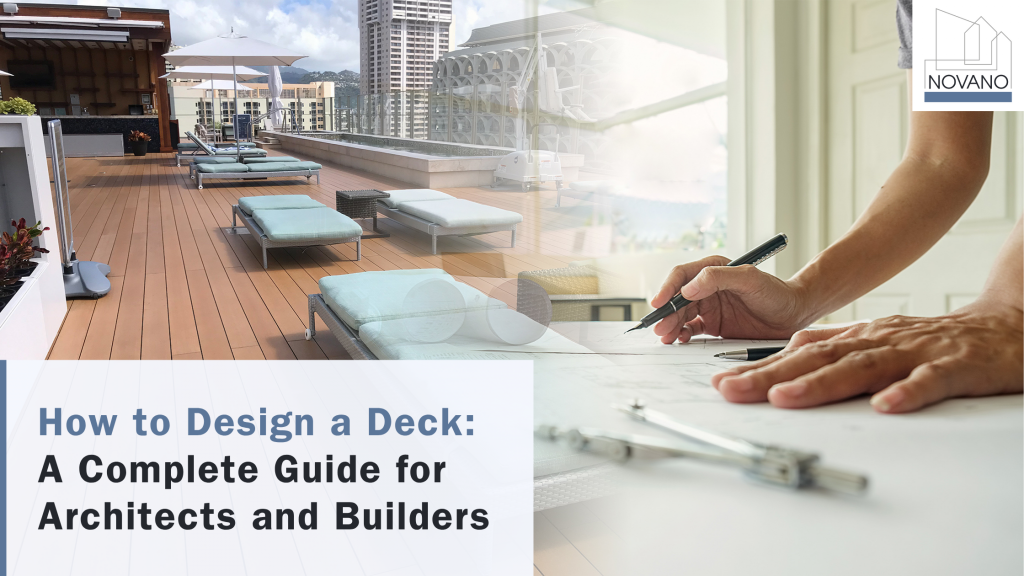
How to Design a Deck: A Complete Guide for Architects and Builders
Why Thoughtful Deck Design Matters?
A well-designed deck transforms an outdoor area into a space for living, entertaining, and connecting with nature. In modern residential and commercial projects, decks are more than functional, they add character, extend usable space, and boost property value.
Trends in outdoor living have led to demand for durable, low-maintenance, and sustainable designs. Architects and builders must blend form and function while meeting codes and climate demands.
This guide covers every stage: from purpose and site planning to structural design, material selection, and detailing. Whether you’re designing a rooftop escape, a poolside retreat, or a backyard gathering space, you’ll find clear steps to create a deck that lasts.
Key Takeaways
- Thoughtful planning ensures decks serve their intended purpose while enhancing the overall design of the space. Considering function, site conditions, and codes early helps avoid costly changes later.
- Biosourced composites combine strength, weather resistance, and low maintenance for long-term value. They also reduce environmental impact by using recycled and bio-based materials.
- Structural design must be tailored to the site’s load requirements, climate, and terrain. Proper framing, anchoring, and drainage are essential for safety and longevity.
- Design details like fascia boards, lighting, and custom patterns make a deck more functional and visually appealing. These finishing touches can also improve accessibility and user comfort.
Pre-Design Planning: Purpose, Site, and Code Requirements
Before any boards are laid, planning determines the project’s success.
Define the Purpose
- Relaxation: Lounging, sunbathing, reading
- Dining & Hosting: Outdoor kitchens, dining areas, seating zones
- Circulation: Connecting pathways, transition areas
Site Analysis
- Topography: Ensure level footing or adjust with structural supports
- Sun/Shade Patterns: Position for comfort and UV exposure
- Drainage: Prevent pooling and water damage
- Wind Exposure: Plan wind breaks or reinforced railings
Code Compliance
- Review zoning laws and setback restrictions
- Apply for required permits
- Follow structural and safety codes
- Refer to the U.S. Department of Housing and Urban Development for outdoor residential planning standards.
Core Deck Structure Design
The frame is the foundation of safety and longevity.
Key Structural Elements
- Posts: Transfer load to footings
- Beams: Support joists across the span
- Joists: Distribute load to beams
- Footings: Stabilize the structure
Load Considerations
- Dead Load: Weight of the deck materials
- Live Load: Weight from people, furniture, snow
- Use span tables and proper beam sizing
Safety Integration
- Guardrails for elevated decks
- Stair placement for accessibility
- Anchoring methods that resist uplift and lateral movement
Deck Types and Design Approaches
How To Design: Floating Decks
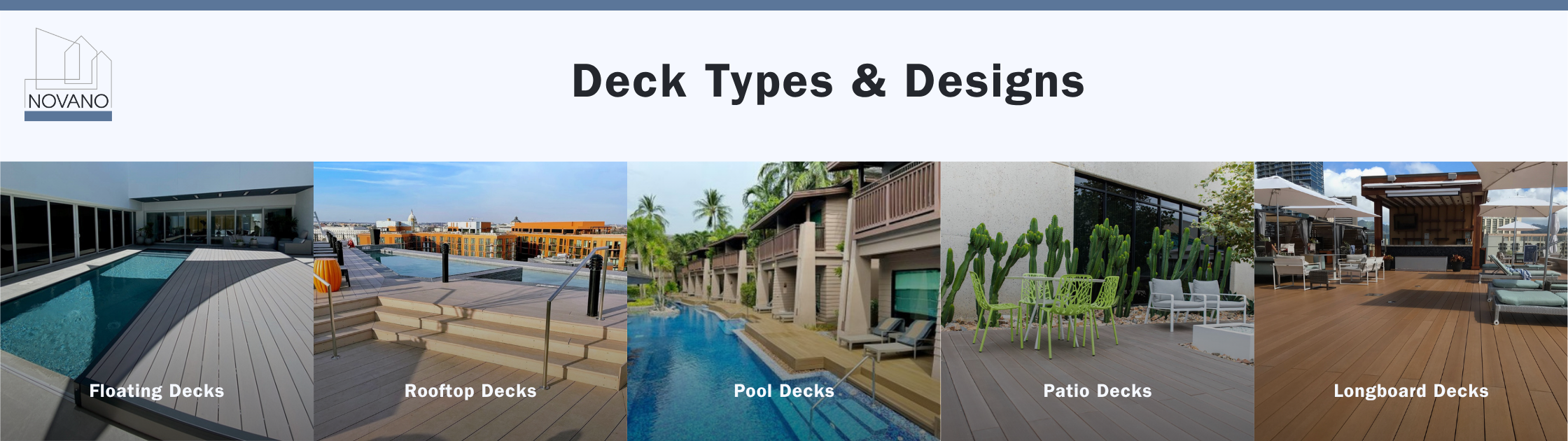
A floating deck rests directly on the ground or piers and is not attached to a building. This design minimizes site impact and is ideal for rentals or modular applications.
Key considerations:
- Simple foundation
- No ledger board attachment
- Allows natural ground drainage
How To Design: Rooftop Decks
Rooftop decks maximize space in urban environments but require careful structural and waterproofing design.
Key considerations:
- Load capacity for the roof structure
- Drainage systems and waterproof membranes
- Wind uplift resistance
How To Design: Pool Decks
Designing pool decks focuses on water drainage, slip resistance, and heat tolerance.
Key considerations:
- Use materials that resist moisture damage
- Non-slip surfaces improve safety
- Smooth transitions between hardscape and decking
How To Design: Patio Decks
Raised or flush patios connect indoor and outdoor living areas. Coordination with adjacent hardscape materials like concrete or pavers is crucial for aesthetic continuity.
Key considerations:
- Match height with door thresholds
- Ensure smooth, seamless transitions between patio hardscape and decking
- Design for appropriate drainage to prevent water pooling
How To Design: Longboard Decks
Longboards extend linearly along property lines or scenic views. Design challenges include expansion management and structural support for longer spans.
Key considerations:
- Allow for expansion and contraction with proper spacing
- Use strong structural supports for longer spans
- Maintain a clean visual alignment with the surrounding architecture and views

Material Considerations: Biosourced Composites in Modern Deck Design
Choosing the right material ensures beauty and performance over decades.
Why Biosourced Composites?
- Durability: Resists rot, insects, and UV damage
- Sustainability: Made from recycled and bio-based materials
- Low Maintenance: No painting or sealing
- Design Flexibility: Multiple colors and finishes
- Fire Safety: Added protection and peace of mind in various applications
Novano Building Products USA offers biosourced composite decking that combines sustainability, Class A fire rating, and high-end design, perfect for residential, commercial, and hospitality builds.
Design Detailing and Finish Integration
Small details elevate a deck’s aesthetics and function.
- Fascia Boards: Cover structural edges for a clean look
- Hidden Fasteners: Keep surfaces smooth and splinter-free
- Lighting: Add ambiance and safety
- Custom Patterns: Inlays, textures, and contrasting borders
- Accessibility Compliance: Ensure accessible slopes and surfaces
Designing for Longevity: Drainage, Ventilation, and Climate Fit
Environmental conditions affect deck lifespan.
- Drainage Systems: Direct water away from structural components
- Ventilation: Prevent trapped moisture under the deck
- Climate-Specific Materials: Choose boards that handle snow loads, high UV, or humidity
Deck Design as a Long-Term Investment
A deck is a lasting investment that blends functionality, aesthetics, and sustainability. Successful design balances structural integrity with thoughtful material choice and visual harmony. Integrating decking into the broader landscape and architectural envelope enhances property value and enjoyment.
For modern architects and builders, Novano Building Products delivers innovative biosourced composite decking that addresses strength, design, and environmental responsibility. Get FREE Samples to experience quality firsthand.
FAQs
How do I design a deck structure that lasts?
Ensure sound planning with correct load calculations, use durable materials such as hybrid composites, and comply strictly with local building codes for joist spacing, footings, and guardrails.
What is the best way to design a rooftop or pool deck?
Include thorough load assessments, waterproofing membranes, optimal drainage systems, and choose slip-resistant materials suitable for wet environments or rooftop exposure.
How do biosourced materials improve deck performance?
Biosourced composites enhance durability by resisting moisture, UV damage, and wear while reducing maintenance compared to traditional wood decks.
Can I build a floating deck without anchoring it to the house?
Yes. Floating decks are designed to rest on ground supports without attachment, making them ideal for modular or rental properties where minimal ground impact is desired.